For nearly a century, the automotive industry adhered to a sacred ritual for launching a new vehicle:
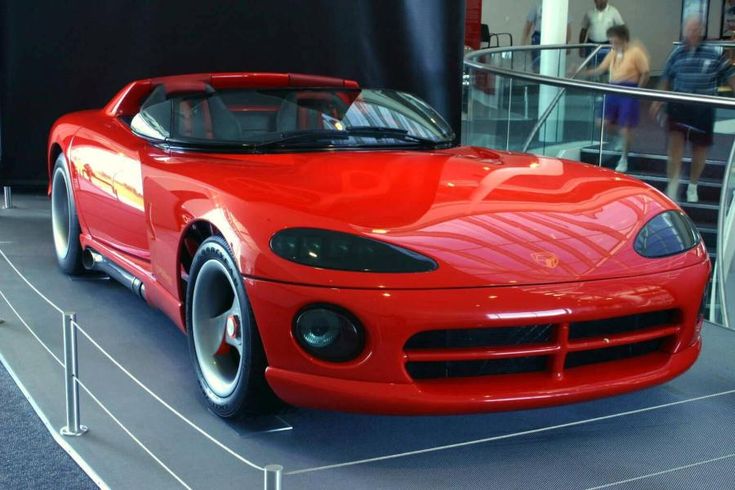
- Build a sleek, futuristic concept car with massive wheels and impractical doors.
- Unveil it under dramatic spotlights at the Detroit or Geneva Auto Show.
- Watch automotive journalists obsess over the sheet metal and exterior body lines.
Fast forward to today, and Ford Motor Company is turning that playbook entirely on its head.
With the announcement of its new entry-level electric pickup—the Ford Fathom—Ford is flooding platforms like Instagram and TikTok with marketing teasers, lifestyle imagery, and bold claims. But if you scroll through their social feeds or look at the landing page, you’ll notice one giant thing missing: the actual car.
Contrast with the early messaging of the Tesla Cybertruck. In that case, the physical appearance of the vehicle was the story. The sharp polygonal angles split opinion online, generating years of free publicity and social media meme culture before production even began.
Selling the Vibe First, Sheet Metal Later
Instead of showcasing glossy exterior angles, Ford’s campaign relies heavily on mood-setting visuals and lifestyle snippets: colorful gradient backdrops, people DJing, parents hiking near lakes, and stylized typography.
Rather than showing off aggressive grille designs or wheel arches, Ford is hooking Gen Z and millennial audiences with three key selling points:
- Accessibility: A headline-grabbing starting price of $28,350 (sub-$30k for a modern EV).
- Cabin & Tech Experience: Highlights include an infotainment system powered natively by Apple Maps, digital key integration, standard Apple CarPlay/Android Auto, and next-gen BlueCruise capability.
- Utility Reality: Promises of more passenger volume than a Toyota RAV4 and bidirectional charging capabilities.
By withholding pictures of the vehicle itself, Ford shifts the conversation from “Do I like how those headlights look?” to “Can I actually afford a smart EV that fits my everyday lifestyle?”
In a blog post introducing the name, Fathom, Ford General Manager Kay Hart said the vehicle comes from “a deep understanding of the person who would drive it. We built our new midsize electric truck for a person we spent years getting to know. As customers start exploring the technology and design of Fathom, that’s when the connection between name, product and driver becomes clear.”
Why the Slow-Drip Social Strategy Works
On platforms like TikTok and Instagram, traditional auto show reveals feel distant and archaic. Social media users don’t engage with formal press conferences; they engage with bite-sized narratives, relatable price points, and curiosity.
Keeping the final design under wraps creates a distinct marketing advantage:
- Algorithm-Friendly Mystery: Rumor mills, fan renderings, and speculation videos drive organic engagement across social feeds.
- Focus on Value: By leading with price and interior utility rather than exterior styling, Ford establishes the Fathom as an accessible “everyman’s EV” before aesthetic critiques can take over the narrative.
- Long-Tail Anticipation: For a vehicle slated to open pre-orders in early 2027, dropping incremental teasers keeps the conversation alive longer than a single auto show reveal ever could.
The New Era of Car Reveals
The traditional concept car formula was built around design worship. Ford’s campaign for the Fathom signals a broader shift toward lifestyle-first branding.
In an era where battery range, digital software, and affordability matter far more to everyday drivers than swooping body lines, Ford isn’t asking buyers to fall in love with a silhouette. They’re asking them to imagine how an affordable electric vehicle fits into their daily life—long before the sheet metal ever hits the showroom floor.