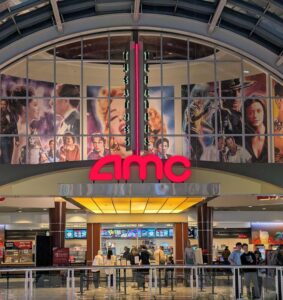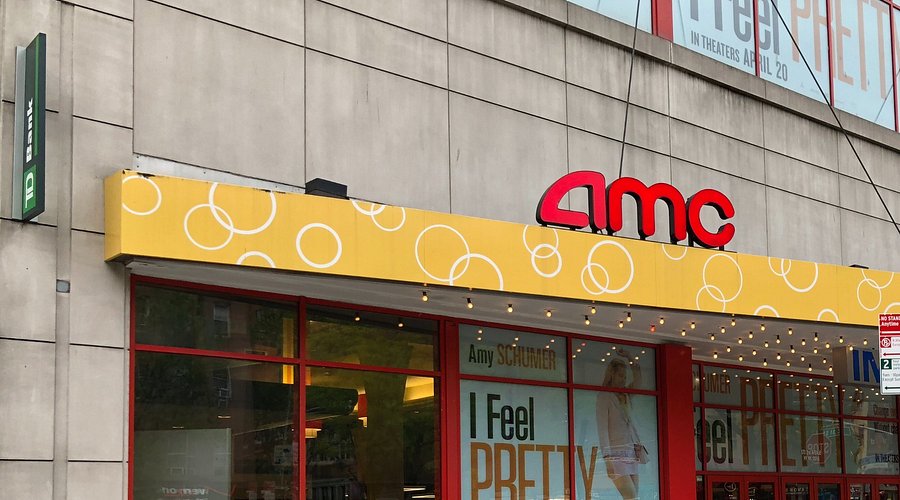
On October 24, 2026, AMC Entertainment Chairman and CEO Adam Aron took an unusual step for a corporate executive. Aron posted a two-part open letter on X addressed directly to the Kips Bay community in Manhattan. Titled “AMC Does Not Want to Go. We Want to Stay,” the posts outlined AMC’s strong desire to keep its long-running 15-screen multiplex at 570 Second Avenue open. However, Aron is acknowledging that the decision ultimately rests with NYU Langone Health.
The AMC Kips Bay 15 opened on May 14, 1999, and has operated continuously for more than 25 years as a neighborhood entertainment hub. Aron emphasized its recent success, noting that thousands of guests visit daily and that on several days during the summer of 2026 it ranked among the ten most attended AMC theaters nationwide (out of more than 500 locations).
Aron Posts
In the first post, Aron thanked moviegoers, neighbors, and elected officials for their support and stated clearly: “AMC Theatres does not want to go. Not one little bit. AMC Theatres wants to stay in Kips Bay.” He explained that the current building owner terminated AMC’s lease in anticipation of a sale to nearby NYU Langone Health, which seeks to expand its medical facilities. Aron detailed AMC’s proposed compromises—enlarging the existing low-rise building to accommodate both medical growth and a theater, or shrinking the cinema so some screens could remain—which he said were rejected. He urged NYU Langone to pursue a creative solution that preserves both expanded world-class healthcare and a functional AMC theater.

The second post reinforced the timeline and gratitude. Aron specifically thanked Manhattan Borough President Brad Hoylman-Sigal and New York State Assembly Member Keith Powers for their advocacy. He noted that, under the terminated lease, the theater’s lights would go out for good on January 3, 2027—roughly two and a half months from the posts—unless a solution is found. He closed by asking, “What say you NYU Langone Health?” and reaffirming AMC’s pride in being part of the Kips Bay community since 1999.
The letter arrived amid months of community mobilization. Neighborhood groups, residents, and officials had already rallied, signed petitions (reportedly drawing thousands of signatures), and pressed for the theater’s survival. A Fairway supermarket and bank in the same building are also expected to close. Local leaders have described the cinema as a vital “community space” that doesn’t require appointments or membership, contrasting it with institutional expansion.
NYU Langone Perspective
NYU Langone has offered a different account. Spokespersons have stated that the property’s owners approached the health system about a sale due to its proximity to existing facilities and growing demand for care. They have also claimed that, years earlier, AMC worked with the landlord to reduce rent in exchange for a mutual termination right, suggesting the chain had previously shown interest in flexibility or exit options. NYU Langone has framed the acquisition as supporting long-term community healthcare needs and noted the purchase remains under contract, expected to close in early 2027. The health system has dozens of sites already in the broader Kips Bay area.
Arons’s public posts elevate a local real-estate and zoning dispute into a broader conversation about balancing essential services—healthcare expansion versus accessible cultural and entertainment spaces—in a dense city. Officials such as Hoylman-Sigal have signaled willingness to scrutinize any related land-use applications if a cinema is not retained. Whether the two sides can still negotiate a hybrid outcome, or whether the January 3 closing date holds, remains open. What is clear from Aron’s letters is AMC’s public position: the company views the theater as viable and desirable, and it is asking both the community and NYU Langone to treat that as a starting point rather than a closed chapter.
The posts themselves, accompanied by photos of the theater exterior and a community rally outside it, quickly drew support from AMC’s retail investor base and local residents, amplifying the story beyond traditional press coverage.