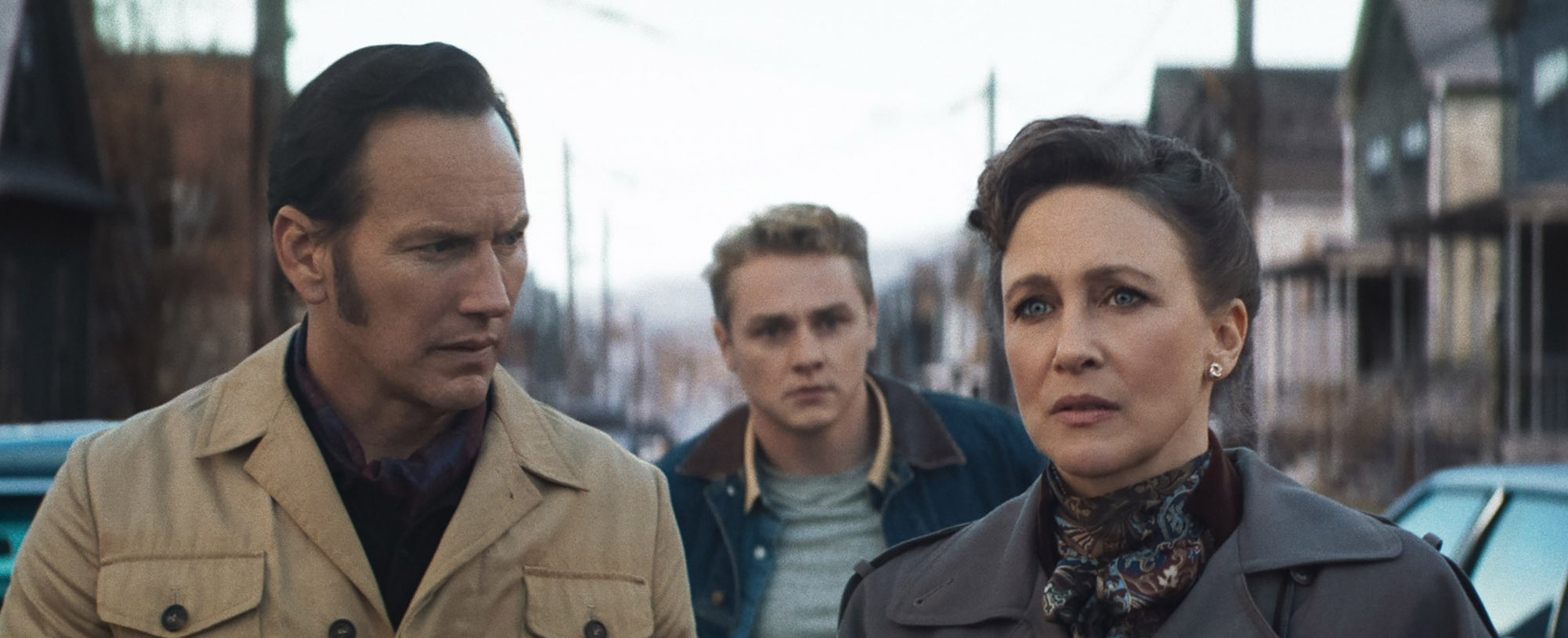
“The Conjuring: Last Rites” summoned a massive $83 million debut, completely dominating the weekend box office. The Warner Bros. horror sequel scared up more than eight times the earnings of the second-place film, solidifying the power of the long-running franchise.
In a distant, but respectable, second place was Disney’s theatrical release of “Hamilton,” which earned a solid $10 million. The filmed version of the Broadway sensation proved there is still a strong appetite to experience the musical in a communal setting.
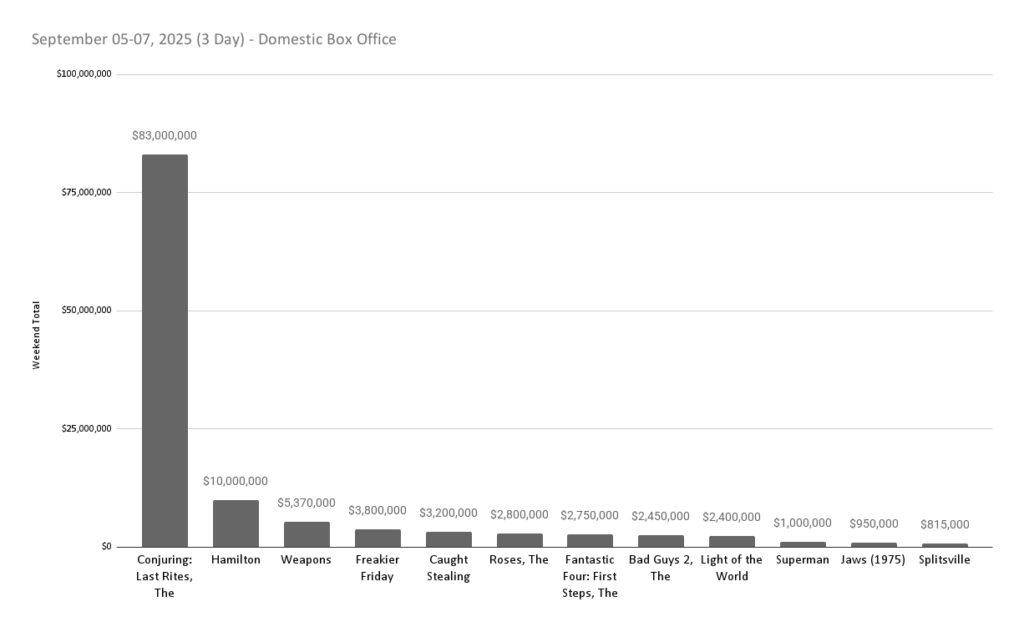
Warner Bros. also secured the third spot with the horror-mystery “Weapons,” which took in $5.37 million in its fifth week of release. The staying power of the film demonstrates a strong audience reception.
Disney’s “Freakier Friday” landed in fourth place with $3.8 million, followed by Sony’s “Caught Stealing” in fifth with $3.2 million. The weekend’s top ten also included a notable re-release of the 1975 classic “Jaws” from Universal, which still managed to pull in an impressive $950,000.
The Unsung Heroes of the Box Office: How Horror Movies Kept Cinemas Alive
When we talk about saving cinema, names like Tom Cruise, the “Barbenheimer” phenomenon, or massive superhero blockbusters often come to mind. These juggernauts undeniably bring in colossal numbers and create cultural moments. But what if I told you there’s another, often overlooked, genre that has been a quiet, consistent powerhouse, particularly when the chips were down? We’re talking about horror.
Horror movies are just as vital to the movie theater industry as any tent pole release, arguing that they were a durable genre that actively kept theaters afloat during the pandemic and continue to boost the box office, pointing to recent successes like The Conjuring universe films.
The Pandemic’s Unlikely Savior
The COVID-19 pandemic delivered a body blow to the exhibition industry. With studios delaying major releases and audiences hesitant to gather, cinemas faced an existential crisis. Yet, amidst the uncertainty, horror often found a way to thrive. Why?
For starters, horror films often come with a more modest budget compared to their blockbuster counterparts. This means their break-even point is lower, making them less risky propositions for studios to release, even in a volatile market. When big-budget films were being pushed back indefinitely, horror offered a steady stream of new content.
Secondly, the communal experience of horror is unparalleled. Watching a scary movie at home is one thing; feeling the collective jump scares, gasps, and nervous laughter in a dark theater full of strangers is entirely another. This unique draw meant that even as overall attendance dipped, horror fans were often among the first and most eager to return to cinemas for that visceral, shared experience. They sought out the jump scares and the tension, a form of escapism perhaps even more potent during stressful times.
A Consistent Performer, Not Just a Flash in the Pan
It’s not just the pandemic era. Horror has a long history of delivering solid returns. While they might not always break opening weekend records, they often show strong legs, attracting repeat viewings and a loyal audience. Franchises like Scream, Halloween, Insidious, and of course, The Conjuring universe, demonstrate an incredible ability to consistently draw audiences back, installment after installment.
Consider The Conjuring series. These films consistently deliver strong box office results globally, proving that there’s a significant and reliable audience hungry for well-crafted scares. They aren’t just one-off hits; they’re foundational pillars of studio release slates.
Why Horror Endures
So, what makes horror so durable?
- Affordability: As mentioned, lower budgets mean higher profit margins, making them attractive investments for studios.
- Dedicated Fanbase: Horror fans are passionate. They follow directors, actors, and specific sub-genres. They show up.
- The Thrill of the Shared Experience: Nothing quite beats a horror movie in a packed theater. It’s an event.
- Adaptability: The genre is incredibly versatile, encompassing everything from psychological thrillers to slasher flicks, supernatural tales to found footage, constantly reinventing itself.
While the titans of the box office certainly grab the headlines, let’s not forget the unsung heroes lurking in the shadows. Horror movies, with their consistent performance, dedicated fanbase, and unique theatrical appeal, have not just entertained us; they’ve played a crucial, often underappreciated, role in keeping the projector lights on.
So, the next time you’re celebrating a massive box office weekend, spare a thought for the horror genre. It might just be the quiet, terrifying backbone of the entire industry.