
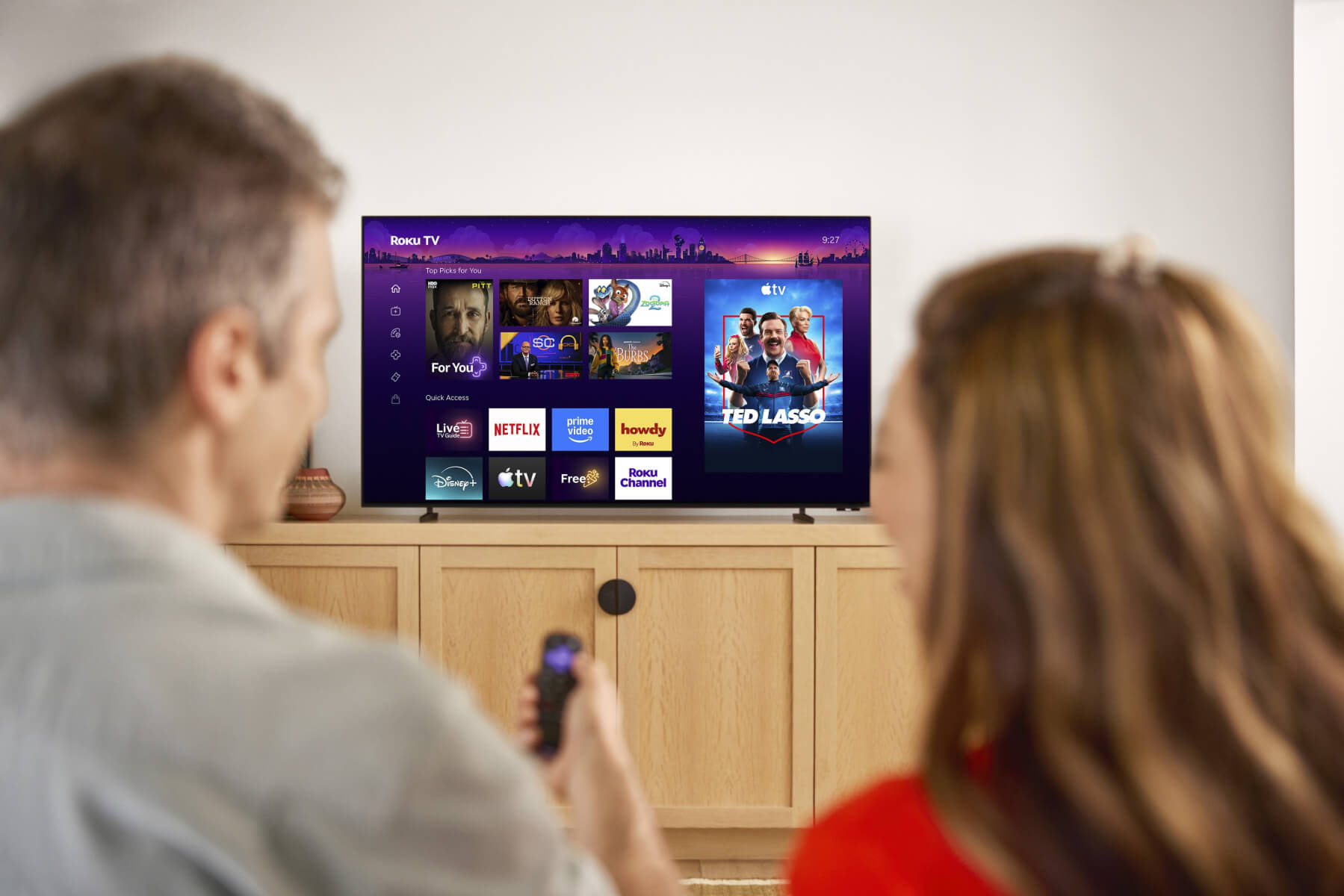
In a move that cements one of the most unexpected yet logical media mega-mergers of the decade, Fox Corporation shareholders today overwhelmingly voted to approve the stock issuance necessary to acquire Roku, Inc.
According to an SEC Form 8-K filing released today, Fox’s Class B stockholders approved the transaction with a staggering 99.9% of votes cast in favor. With over 197 million shares represented at the meeting, the mandate from investors could not be clearer: Fox’s future lies at the intersection of live broadcasting, free streaming, and connected TV (CTV) infrastructure.
Here is a deep dive into what the filing reveals, why this deal matters, and how a combined Fox-Roku reshapes the digital entertainment ecosystem.
The Details: What Today’s SEC Filing Tells Us
The Form 8-K details the formal voting results from Fox’s special shareholder meeting called to approve the Stock Issuance Proposal tied to the June 14, 2026 Merger Agreement.
Key metrics from the vote include:
- Approval Rate: 99.9% (197,363,560 votes FOR vs. 71,891 AGAINST).
- Quorum: ~89.7% of all outstanding Class B common stock was represented.
- Structure: Roku will merge through a two-step transaction (Falcon Merger Sub 1 & 2), ultimately operating as a wholly owned subsidiary of Fox Corporation.
Because shareholder approval was so decisive, a secondary proposal to adjourn the meeting to solicit more votes was rendered moot and skipped entirely.
Strategic Deep-Dive: Why Fox Wants Roku
When Fox sold the majority of 21st Century Fox’s entertainment assets to Disney in 2019, many industry observers viewed Fox as a retreat-and-defend operation focused narrowly on live news, broadcast sports, and local stations.
However, Fox quietly built the cornerstone of modern ad-supported streaming when it acquired Tubi in 2020. Today’s vote to absorb Roku represents the aggressive completion of that modern digital strategy.
1. Controlling the Front Door of the Living Room
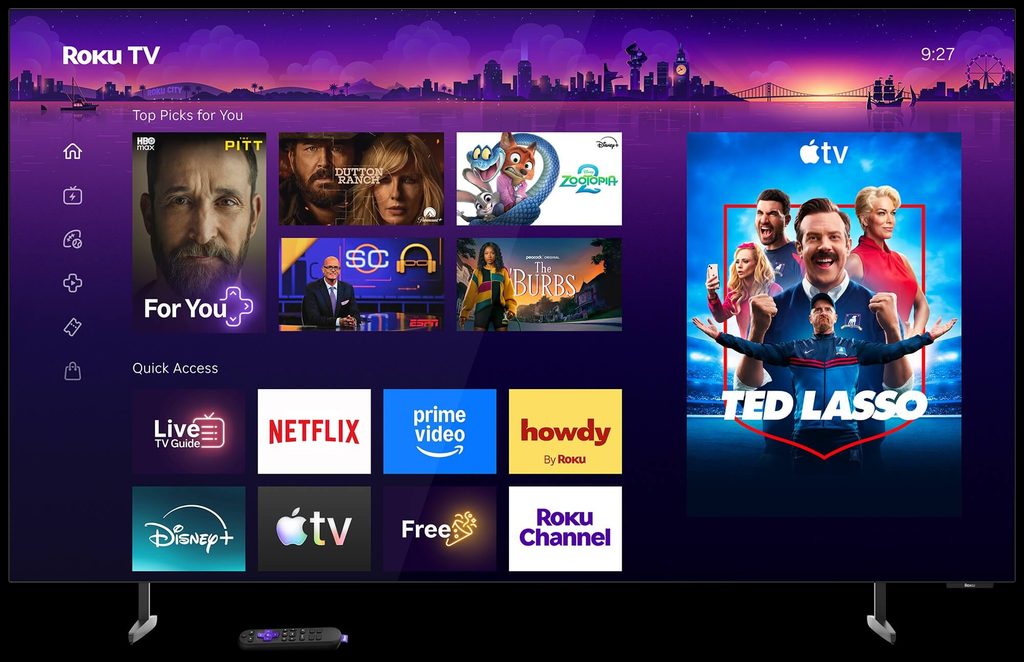
By acquiring Roku, Fox shifts from being a mere content supplier to controlling the fundamental hardware and operating system layer across tens of millions of living rooms. Owning the Roku OS gives Fox:
- Control over prime home-screen real estate and content recommendations.
- Direct relationship with hardware OEMs and smart TV distribution channels.
- Native audience data across both linear and digital consumption habits.
2. The AVOD / FAST Superpower (Tubi + The Roku Channel)
Combining Tubi (Fox’s flagship FAST/AVOD service) with The Roku Channel creates an undisputed titan in free, ad-supported television. While premium subscription video-on-demand (SVOD) services continue to battle subscriber fatigue and rising churn, free streaming continues to surge. Together, Tubi and The Roku Channel capture an enormous share of non-pay-TV viewing time, providing advertisers with unprecedented reach.
3. Full-Stack Programmatic Ad-Tech
Roku’s OneView advertising platform, paired with Fox’s live sports and news inventory, creates a closed-loop ad ecosystem. Advertisers will be able to target audiences seamlessly from broadcast TV to streaming apps to smart TV home screens—all using proprietary, first-party data without relying on third-party cookies or external intermediaries.
What Comes Next?
With Fox shareholders firmly on board, the primary remaining hurdle is finalizing standard regulatory clearances and closing conditions.
For competitors—including Amazon (Fire TV), Google (Google TV), and TV manufacturers like Samsung and LG—the combined entity presents a formidable hybrid force. Fox is no longer just a traditional media company licensing content; it is now a platform owner, ad-tech giant, and distribution gatekeeper wrapped into one.
Expect the formal deal closing to follow in the coming months, marking the official start of a new, hardware-integrated era for Fox Corporation.
What do you think of Fox’s acquisition of Roku? Will owning the OS help Tubi dominate free streaming, or will platform neutrality concerns arise? Let us know your thoughts in the comments below!








Be First to Comment