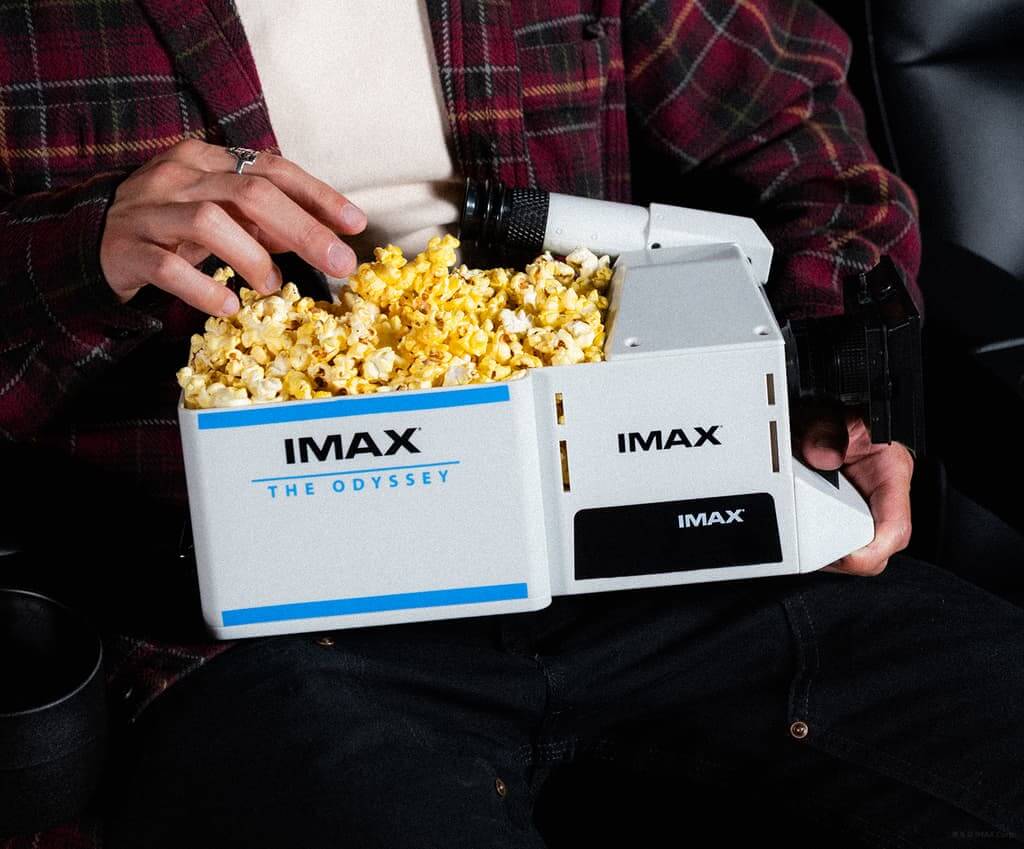
Christopher Nolan’s The Odyssey (2026), the first feature film shot entirely on IMAX cameras, delivered the ultimate large-format experience to audiences in the handful of theaters equipped for true 70mm IMAX projection. But as excitement peaked this past weekend (July 18–19, 2026), reports emerged of projector overheating and downtime at key venues—reminding us that the pinnacle of analog cinema comes with real-world mechanical challenges.
Reported Issues This Weekend
At Regal Irvine Spectrum in California—one of the premier 70mm IMAX venues—viewers and staff reported the projector overheating during continuous screenings. One attendee noted issues after the first reel, with the system requiring time to cool down. The theater had been running near-nonstop shows due to overwhelming demand.
In Denver, the Regal Colorado Center 70mm IMAX experienced significant problems. Multiple reports described the projector going down, with some indicating it wasn’t fully operational over the weekend. Audiences expressed disappointment after waiting for the film in its intended format.

These incidents weren’t isolated surprises. Similar overheating and mechanical hiccups have occurred with other 70mm IMAX releases in recent years (such as during extended runs of Sinners), highlighting recurring vulnerabilities in these rare, high-maintenance systems.
Why IMAX 70mm Projectors Struggle
True 70mm IMAX (15-perforation) projection is mechanically and thermally demanding in ways digital systems simply aren’t.
- Aging, irreplaceable hardware: No new dedicated 70mm IMAX film projectors have been manufactured in roughly 50 years. Theaters rely on retrofitted and rebuilt vintage machines. IMAX CEO Richard Gelfond has noted the difficulty of sourcing parts and the loss of institutional knowledge. Only about 25 U.S. theaters (and roughly 41 worldwide) can project The Odyssey in native 70mm film.
Extreme heat generation: These projectors use powerful xenon lamps—often in the 10–15 kW range—that produce enormous amounts of heat. Only a tiny fraction of the energy becomes light on the screen; the rest turns into heat that must be actively managed through water cooling (in some lamps), powerful fans, and booth ventilation. Prolonged operation without adequate cooldown periods stresses the system.
Complex film handling: A single print of a long film like The Odyssey can span over 11 miles and weigh hundreds of pounds. It runs through a intricate web of platters, rollers, and the projector at high speed. Dust, improper tension, humidity fluctuations, or mechanical wear can cause jams, scratches, or focus issues. The larger frame size also demands more intense illumination, amplifying heat.
Demand-driven overuse: With tickets selling out weeks in advance and some theaters adding early morning or near-continuous screenings, projectors that were designed for fewer daily shows are pushed harder than ever. Limited downtime for maintenance exacerbates problems.
In short, these aren’t consumer projectors or even standard digital cinema setups—they’re massive, specialized pieces of industrial machinery operating at the edge of their capabilities.
The Unsung Heroes: Projectionists
Behind every successful (or salvaged) 70mm IMAX screening stands a skilled projectionist. Their role is far more critical here than in digital theaters. Projectionists for 70mm IMAX must:
Prepare and splice prints — Long films often arrive in multiple reels that need careful assembly, sometimes taking days of precise work.
Thread and monitor the film path — They navigate the film through dozens of rollers and guides, ensuring proper tension and alignment to avoid damage or image instability.
Watch and listen constantly — During screenings, they monitor the screen for dust, scratches, or focus drift while listening to the machine’s sounds for early warning signs of trouble.
Troubleshoot on the fly — When overheating occurs, they initiate cooldown procedures, diagnose issues, perform minor repairs, or switch to backup systems if available. They also handle restarts and quality checks.
Perform ongoing maintenance — Cleaning, lubrication, humidity control (critical for film pliability), and coordination with IMAX technicians for deeper servicing.
Experienced projectionists describe the job as a “dance” with heavy, loud machinery—requiring technical knowledge, patience, attention to detail, and physical stamina. Many theaters assign dedicated staff or teams for these special runs, sometimes working long shifts in hot booths.
Without them, even the best equipment would fail quickly. Their expertise bridges the gap between aging technology and the audience’s desire for the purest cinematic experience.
Looking Ahead
The issues reported this weekend underscore both the magic and the fragility of true 70mm IMAX. While digital IMAX (laser or otherwise) offers reliability and accessibility, nothing quite matches the resolution, contrast, and immersive quality of film projection in these massive venues.
As demand for Nolan’s film—and future analog-heavy releases—remains sky-high, theaters and IMAX are working to maintain these rare systems through retrofits, training new projectionists, and improved maintenance protocols. Audiences frustrated by disruptions can often contact IMAX quality control (details sometimes appear in end credits) or seek makeup screenings.
For cinephiles, these hiccups are a reminder: the best theatrical experiences often require human skill, mechanical care, and a bit of patience. The projector may overheat, but the passion for film endures.